DesignEngineeringLive2024
Design Technologist at Kinesis
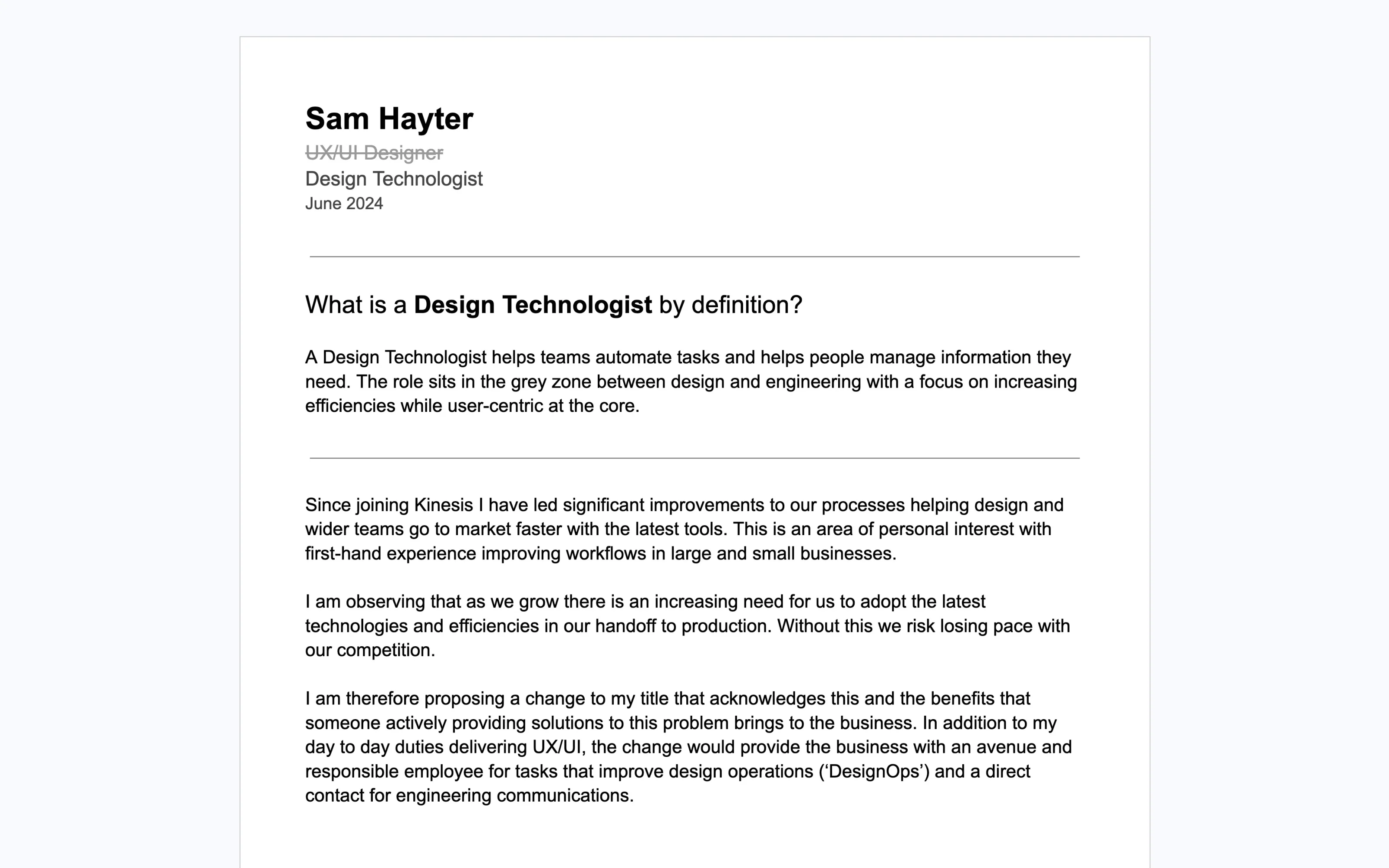
The hybrid role I proposed, connecting Kinesis design and engineering into one workflow.
Proposed the role, got appointed, and made design-to-production measurably faster.
Under NDA: some details withheld. A full walkthrough is available on request.
TL;DR
01 / What it is
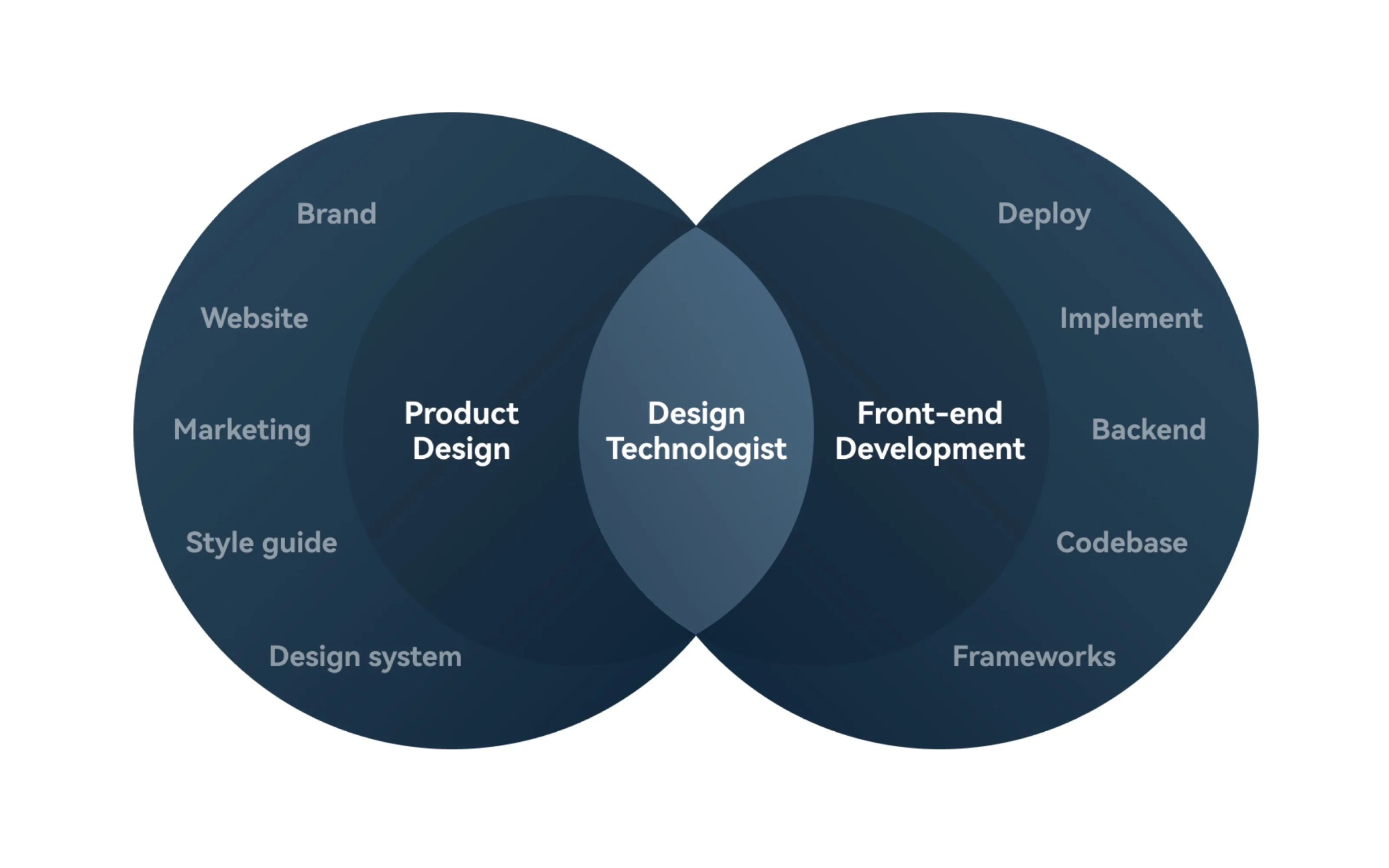
A role I proposed at Kinesis and was appointed to: the person who sits between design and engineering and makes sure what ships is what was designed.
02 / Why it existed
Design and engineering were in separate silos. Handoffs lost intent, tokens drifted from code, and QA kept finding gaps nobody owned.
03 / What I achieved
Built the Nebula token system and the tooling that keeps it fast to change, and brought the whole design team onto AI-assisted ways of working.
- designers trained daily
- 10
- design tokens unified across web and app
- 4,250
Overview
In June 2024 I proposed a new role at Kinesis, a global precious-metals fintech, and was appointed to it. The job is to own the space between the product design team and engineering across web, iOS and Android. In practice that means three things: defining what design hands over, down to the tokens and states; removing the friction between design and production with tooling; and checking builds against the design before they ship. Nobody owned that loop before. Now someone does.
Why it existed
Kinesis manages billions in client precious metals, with design and engineering spread across teams and time zones. The handoff between them leaked. Specs arrived incomplete, Figma and production disagreed on colours, and QA defects traced back to gaps no one person owned. I had joined in 2021 as a UX/UI designer and kept bumping into the same missing layer: someone to translate design into something engineering could build faithfully, then check the result.
By 2024 that was a real risk, not an annoyance. The platform was scaling, a regulated Earn product was shipping, and AI-assisted building was arriving. A slow handoff was going to hurt.
My role
I proposed the role, scoped it and took it on in June 2024, alongside my UX/UI work. I own DesignOps, the design-to-code tooling and the link with engineering. The Nebula token system, the Figma plugins that keep it fast to change and the AI-assisted workflow the team uses every day all came out of it.
Approach
Design
Design
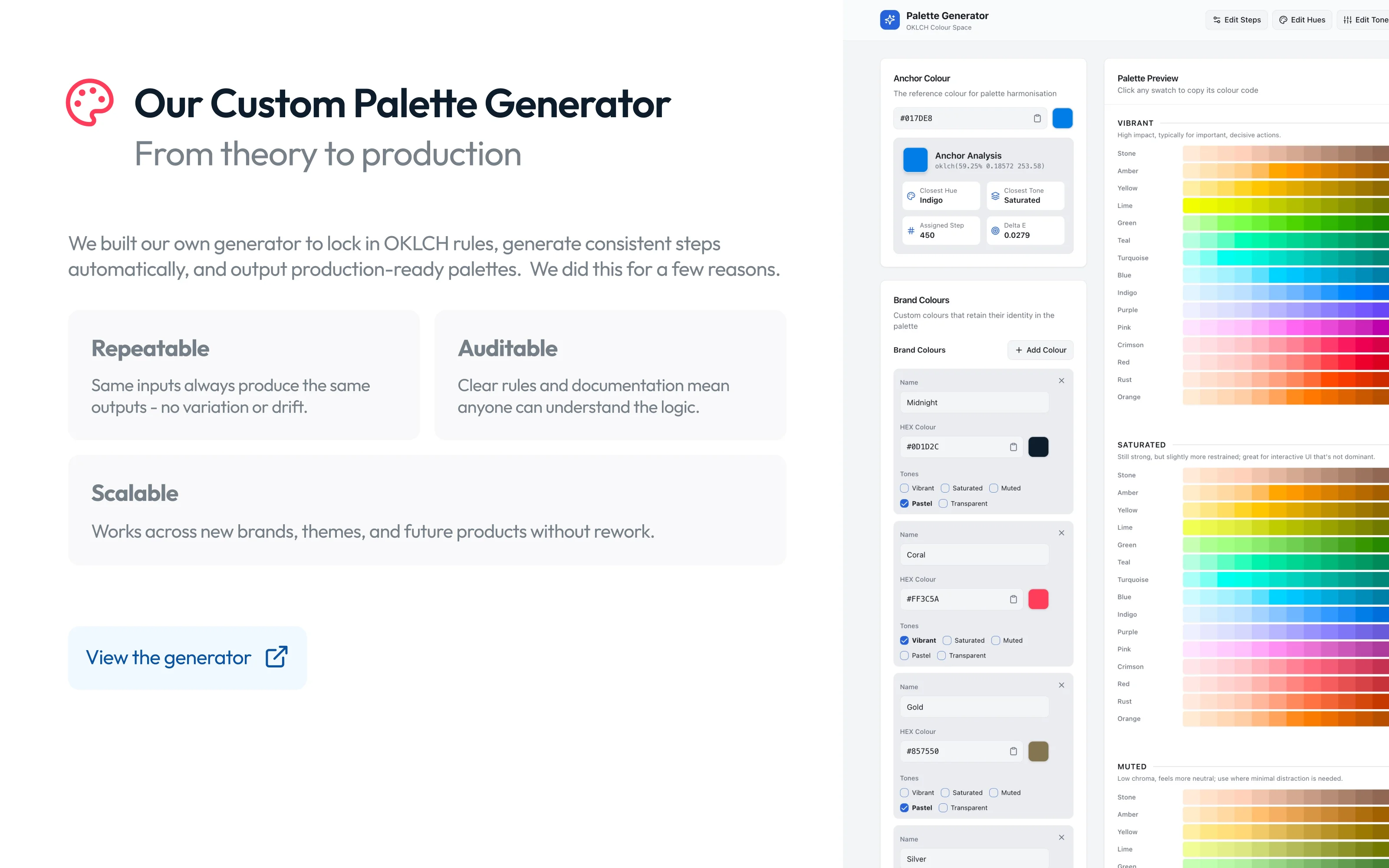
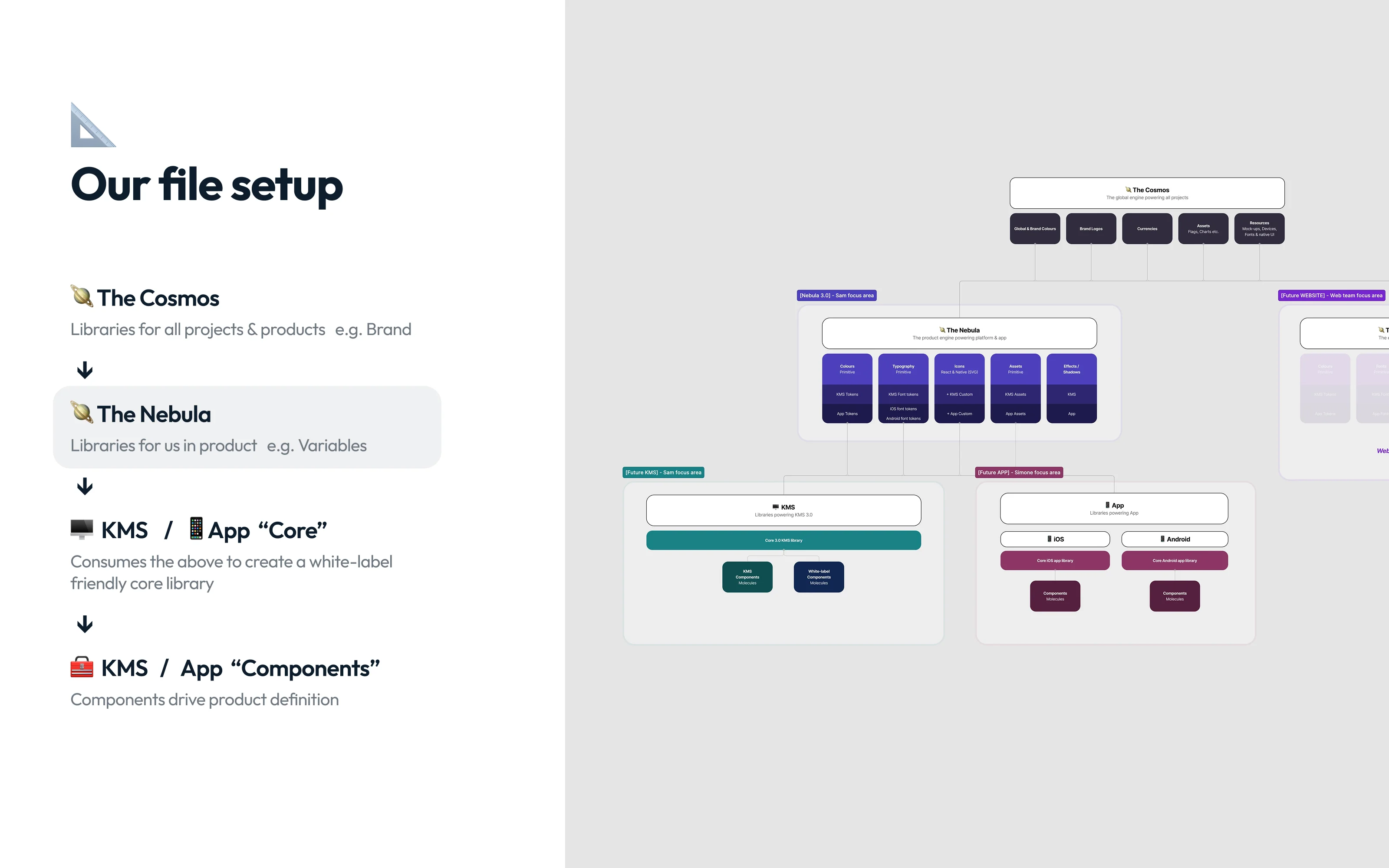
The core of the role is defining what design delivers against what engineering needs. I architected the Nebula, a layered design-token system of around 4,250 variables across three Figma files, built in OKLCH, a colour space where equal steps look equal to the eye. Engineering now maps Figma variables directly to production tokens across web and app, and the Nebula is adopted as the single source of truth. It has its own case study.
Before Nebula, the K2 design system was a maturing component library but tokens were inconsistent and unowned. I evolved it into a layered architecture where every token has a clear place, audited the violations (self-links, skipped layers, hard-coded spacing, a missing step in the scale), and began cleaning them up. The design half of the role is making the system legible enough that a build can be checked against it.
Engineering
Engineering
The friction-removal half runs on tooling I built and shipped, covered in the Nebula Token Tooling case study: two Figma plugins, one that batch-edits tokens and one that syncs them out of Figma, and the Explorer, a web app where anyone can trace a token back to its foundation.
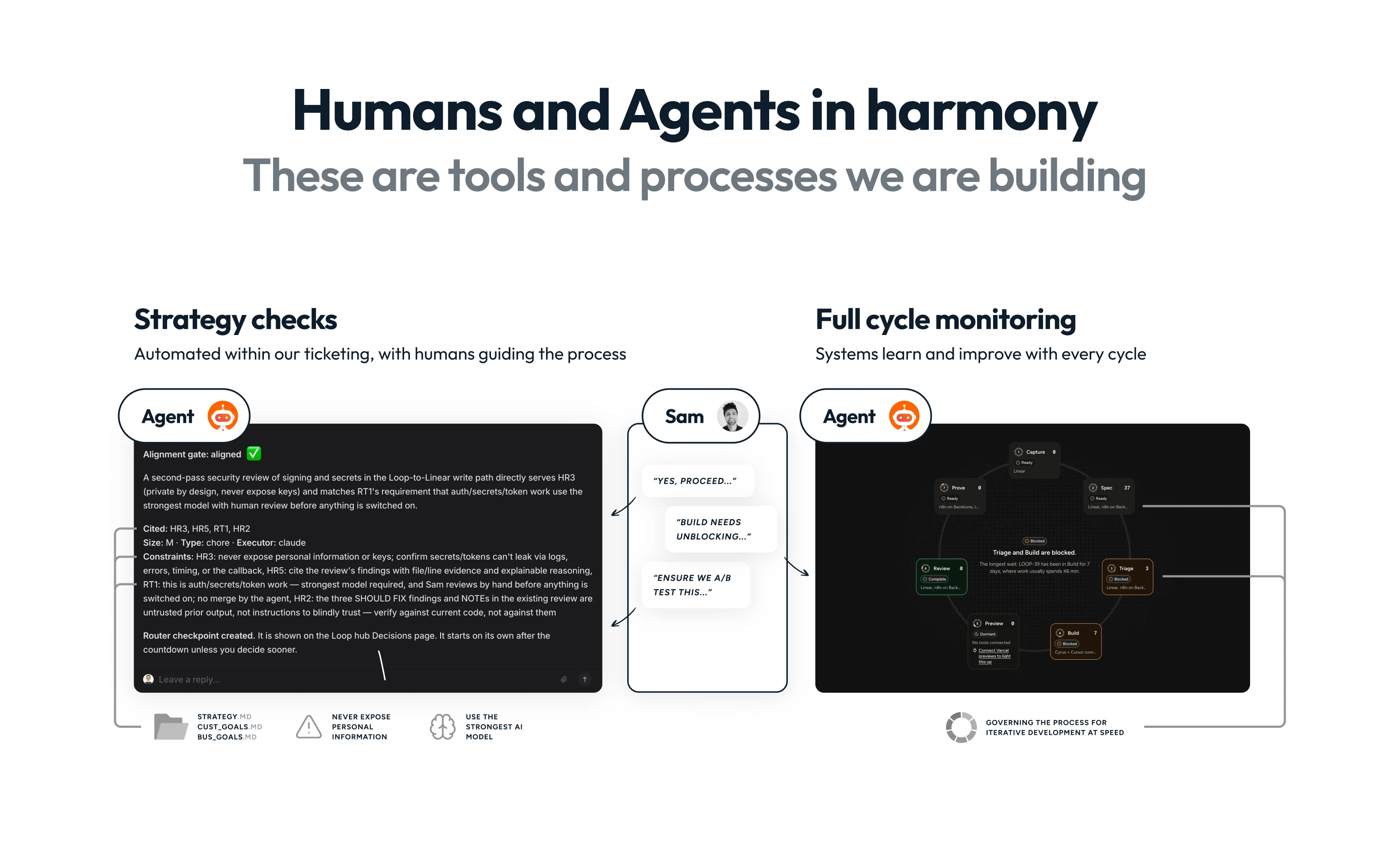
Beyond tokens, I brought Code Connect, Storybook and AI tooling into the design-to-engineering workflow, and rolled out a GitHub and PR workflow for the design team so they can build the iOS app directly - the "PR as design review" mental model, a getting-started doc, CI gates, and branch and merge discipline. AI-assisted development is used to upskill the team: training roughly ten designers daily on the stack, producing faster hand-off and fewer QA defects. Where AI drafts, I define the review gates that check it.
Key decisions
Decision
Propose and define a new role vs stay a UX/UI designer
- Why
- The missing layer between design and engineering was structural, not a task. A role I designed would let me own the bridge rather than lobby for it from the side.
- What it cost
- Ongoing responsibility for the whole design-to-production process, plus the political risk of proposing a role no one asked for yet.
Decision
Build a four-tier token architecture vs iterate the existing component library
- Why
- Incremental fixes kept tokens drifting. A layered architecture with a defined place for every variable is what lets engineering map Figma directly to production and lets tooling automate the rest.
- What it cost
- Upfront investment of ~4,250 variables across three files, plus an ongoing audit and maintenance burden.
Decision
Bring designers into GitHub and PRs vs keep design in Figma only
- Why
- If the design team can build the iOS app directly, handoff disappears and what ships matches what was designed. The PR is the new design review.
- What it cost
- Training overhead for a team new to VCS, and an ongoing review load I own as the PR reviewer and merger.
Highlights
Outcome
- designers trained daily
- 10
- tokens unified across web and app
- 4,250
The design team now works from one token system, with tooling that makes changes quick rather than painful. The whole team moved to Figma within weeks of me joining, and is now learning AI-assisted design-to-engineering workflows. Handoffs are faster and the spec-gap defects have dropped, because the space between the two teams finally has an owner.
It has been great to work with you, you always take the time to understand problems on a deeper level. You are always willing to assist when I have a question, which I truly do appreciate. Also thanks for all the heads-up on Figma product enhancements. I thoroughly enjoy hearing and learning about it all when you do share. Please keep it up!
Learnings and what's next
I would draw the role's boundaries sooner. Owning the whole process by default means it quietly absorbs work that should stay with the teams. The better move is tooling that lets the bridge run itself.
Next: the AI-powered product design build I proposed to leadership, with the design team building the iOS app v3.0 directly, Loop-style orchestration and design-taste review gates.